Organized retail crime (ORC) is not shoplifting. It is a sophisticated criminal enterprise involving coordinated groups that target retail stores with military precision, using distraction techniques, coordinated exits, and increasingly, confrontational tactics that put staff and customers at risk. In 2025, ORC incidents in Canada have increased by 28%, and the average targeted store loses over $700,000 annually to these groups.
WHY ORC GROUPS AVOID HARDENED TARGETS
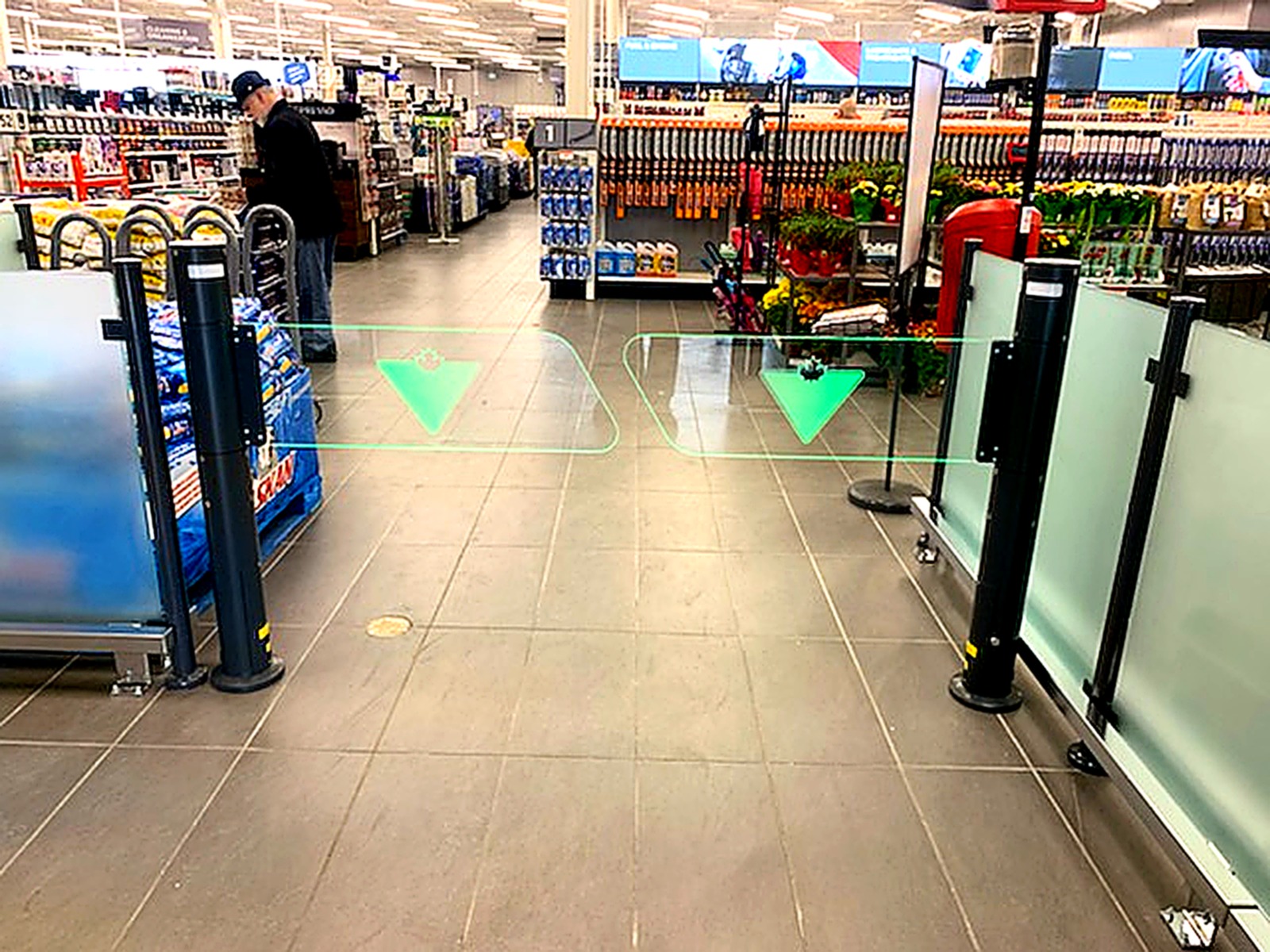
FBI research on retail crime patterns found that 85% of ORC groups specifically avoid stores with visible physical access control systems. Unlike opportunistic shoplifters who act impulsively, ORC groups conduct reconnaissance before targeting a store. A store with exit gates, optical turnstiles, or other physical barriers is immediately deprioritized in favor of unprotected locations.
"ORC groups are rational actors. They go where the path of least resistance is. Physical barriers are the clearest possible signal that your store is not an easy target."
— Senior Analyst, FBI Retail Crime Task Force
THE DISPLACEMENT EFFECT: PROTECTING YOUR ENTIRE NETWORK
When a retail chain installs exit gates at its highest-risk locations, ORC groups do not simply stop operating — they shift to unprotected stores. This 'displacement effect' means that retailers who invest in physical access control at their most vulnerable locations effectively protect their entire network by making ORC operations less profitable overall.
- Install gates at highest-shrinkage locations first for maximum impact
- Coordinate with neighboring retailers to create ORC-hostile zones
- Share incident data with local law enforcement and retail associations
- Integrate gate systems with CCTV for post-incident investigation
- Train staff on ORC recognition and safe response protocols
MAKE YOUR STORE AN ORC-HOSTILE TARGET
Get a free, no-obligation quote from Canada's trusted access control experts.
Request a Free Quote